Thesis
The value of AI is being created in private.
A three-step argument for why the most important part of this platform shift is reachable only pre-IPO, and only with the right people.
Sources
Market map
The agentic stack
Where we look, layer by layer. Company names below are examples of each segment, not holdings.
Hardware
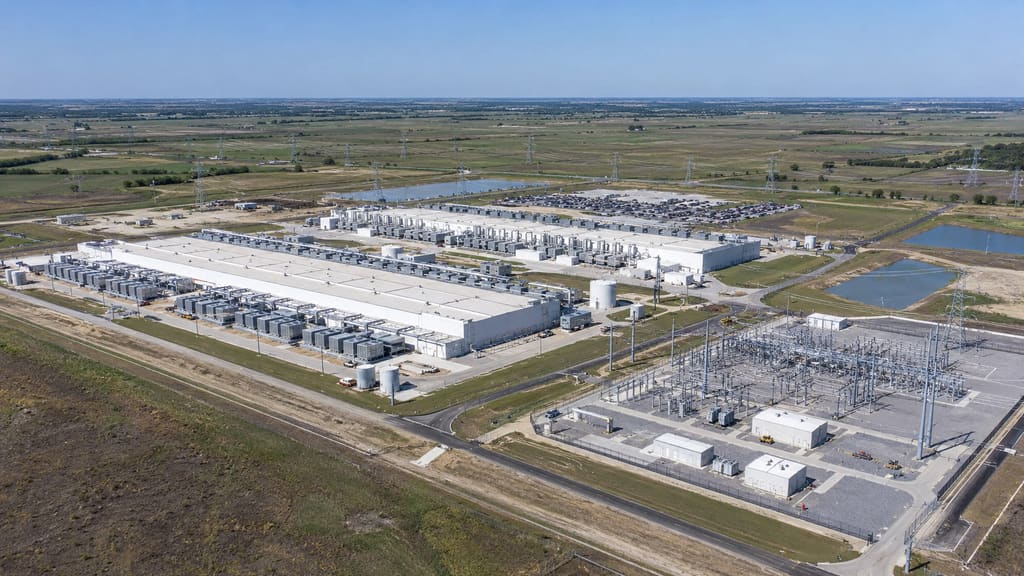
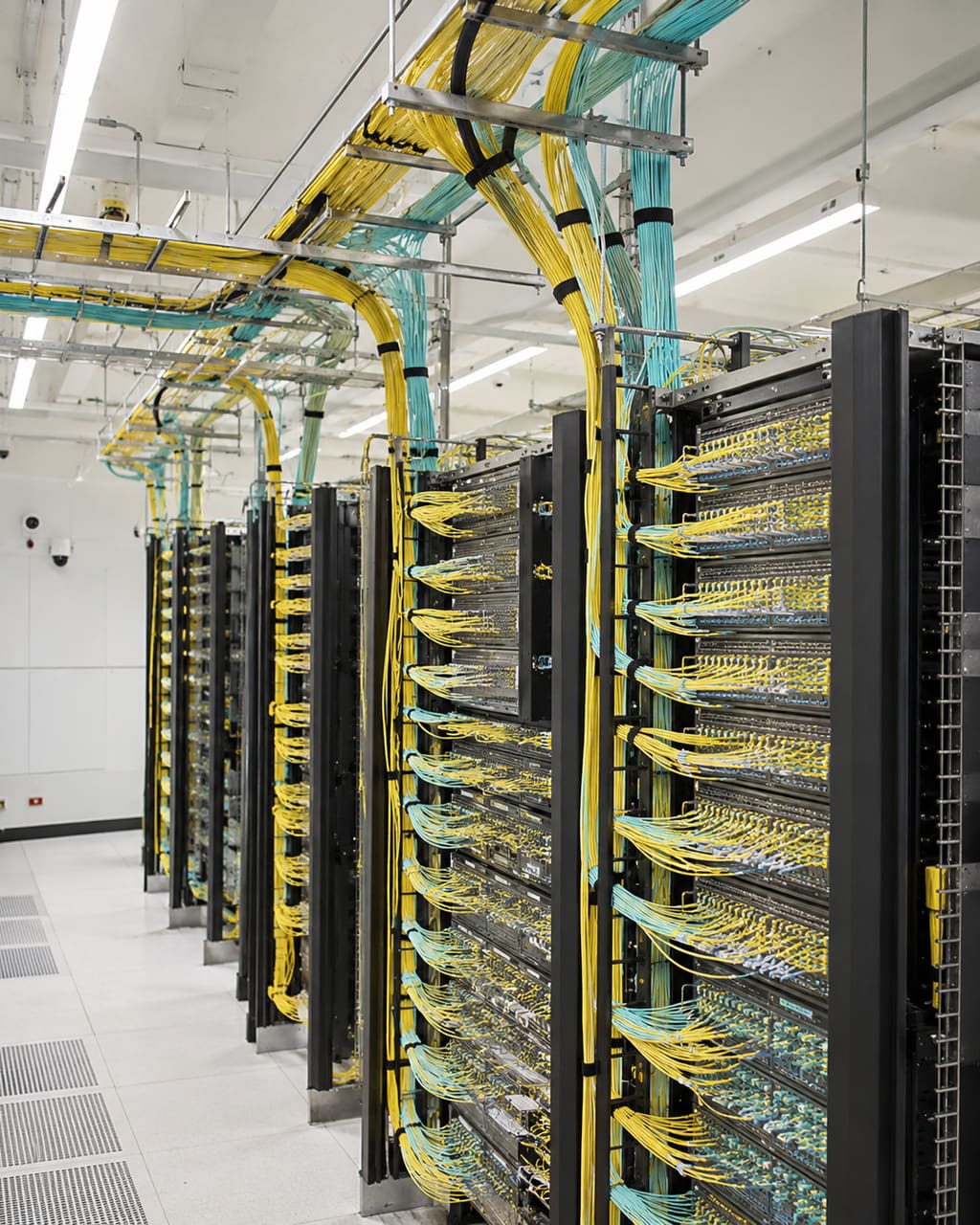
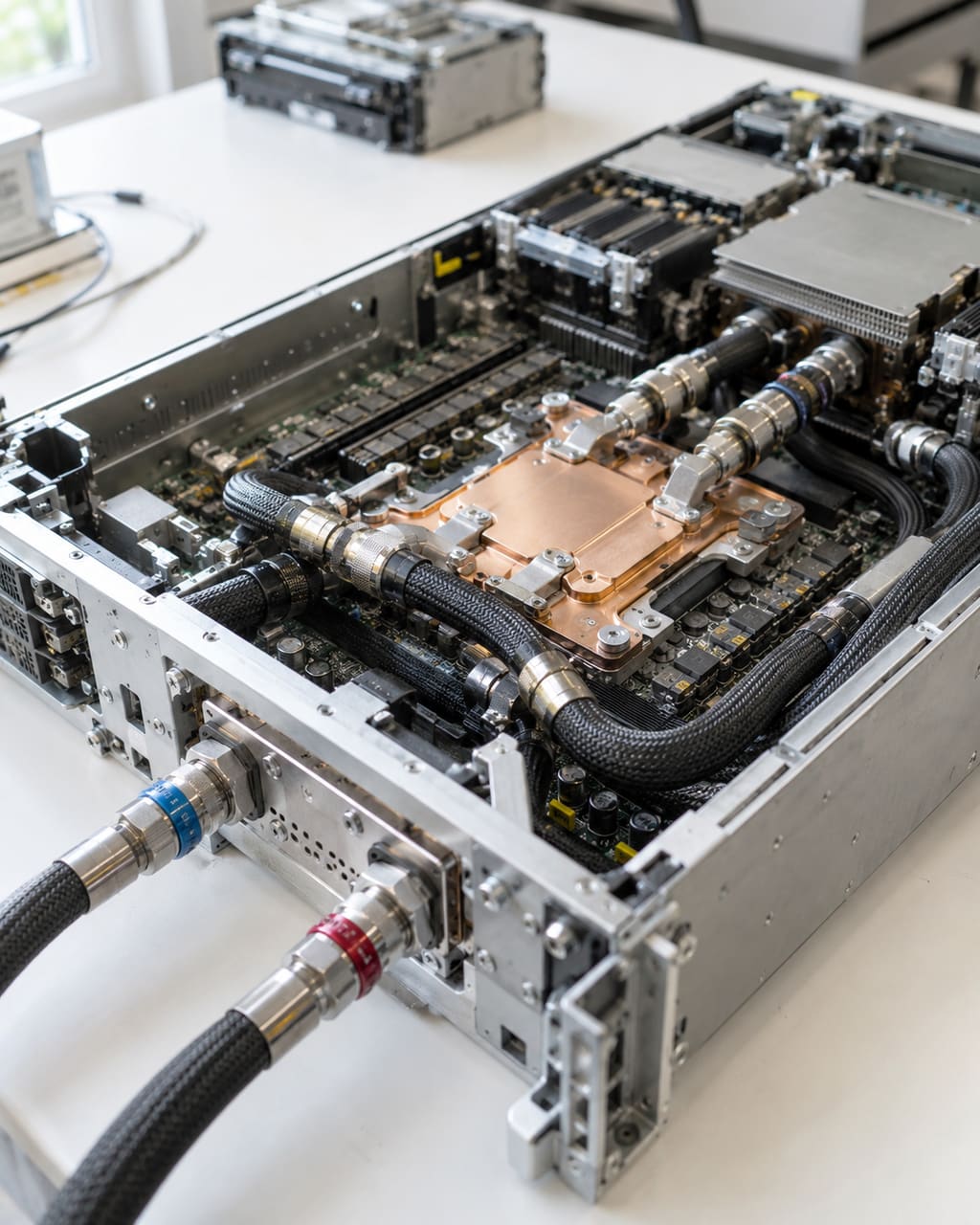
- Purpose-built inference silicon is collapsing the cost per token.
- Edge NPUs are moving agents onto devices.
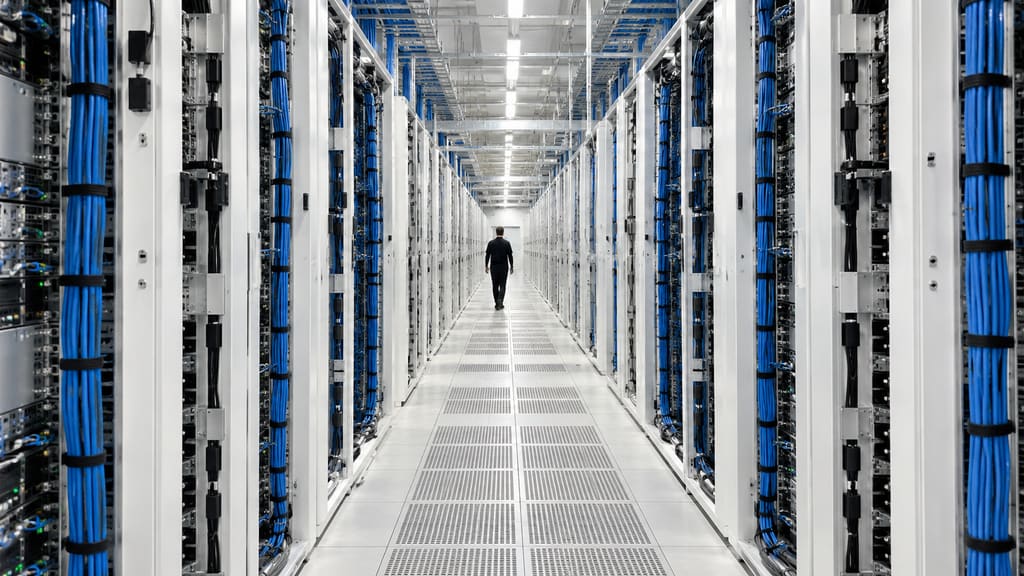
- Agent-speed infrastructure: one agent goal fans out into thousands of calls, which looks like a denial-of-service attack to databases built for people.
Software
- Multi-agent coordination platforms that let agents hand work to each other.
- Systems of record becoming systems of intelligence: CRM and IT service management turning into workflow engines.
- Data entropy: most corporate knowledge is unstructured and decays, which breaks retrieval and the agents that depend on it.
Physical AI
- Embodied agents that act in factories, warehouses and fields.
- Industrial incumbents hold a data edge that new entrants cannot easily copy.
Agent identity
- Non-human identities already vastly outnumber human ones in financial services.
- Know-Your-Agent is the missing primitive: who is this agent, who does it act for, and what may it do.

Examples, not holdings
- Cursor, CognitionCoding agents
- Sierra, DecagonCustomer and support agents
- Harvey, AbridgeVertical agents
- LangChain, CrewAIOrchestration
Sources
Thesis
- 01
The value moved before the IPO
The last platform shifts rewarded public-market investors because companies listed early. This one does not. The companies building AI infrastructure and models are staying private for longer and raising more privately than any generation before them.
The consequence is simple: the steepest part of the value curve now sits before the IPO.
- 02
Access is relationship-gated
The companies that matter choose their investors. Founders choose who gets in, and they choose people who can help.
By the time a company is broadly available, the repricing has happened.
- 03
Operators see the winners first
The people who can tell a platform from a product are the people who have run the functions it replaces. That is why CrossWork is built around an advisory board of former operators.
They see the companies first, they sit in diligence, and their introductions open doors.
Sources
The window
Platform shifts have short pre-IPO windows. This is one of them.
Each platform shift produced a small set of category leaders, and once they listed the private window on them closed. The pattern is repeating in agentic AI, faster.
Cloud · 2012
ServiceNow, a cloud category leader, listed in 2012.
Mobile · 2012 to 2013
Facebook listed in May 2012 and Twitter in November 2013: the social-mobile leaders went public within eighteen months of each other.
Agentic AI · 2026
Cerebras listed in May 2026 and SpaceX in June 2026. OpenAI and Anthropic have filed confidentially for IPOs, and Discord reportedly filed confidentially in January 2026.
Sources
- 10. SEC EDGAR, 2012: ServiceNow, Inc. prospectus (Form 424B4).
- 9. TIME, November 7, 2013: Twitter goes public, the most anticipated tech IPO since Facebook's in May 2012.
- 1. CNBC, May 13, 2026: Cerebras prices IPO above expected range.
- 7. SpaceX, June 11, 2026: pricing of initial public offering (Nasdaq: SPCX).
- 6. TechCrunch, June 8, 2026: Following Anthropic, OpenAI files confidentially for IPO.
- 8. Bloomberg, January 6, 2026: Discord is said to file confidentially for IPO.
Market
How large, by others' estimates
Global AI token consumption is expected to grow about 40 times over the next four years, according to Qualcomm CEO Cristiano Amon (COMPUTEX keynote, June 1, 2026).
MarketsandMarkets sizes the AI-agents market at about $8 billion in 2025, rising to roughly $53 billion by 2030, about 46% a year.
PwC estimates generative and agentic AI could add US$2.6 to 4.4 trillion a year to global GDP by 2030.
Sizing
How big is the agentic layer, really?
It depends on what you count: there are two honest ways to size it, and the difference is the point.
Pure-play agentic software
Agents, runtimes, orchestration and developer tooling sold as products in their own right. Software is the largest share of agentic AI spending by this measure, and customer service and support is the largest single application.
Embedded agentic spend
Agent capabilities inside platforms companies already buy, such as Microsoft Copilot Studio, Salesforce Agentforce and ServiceNow. Much of the money flows here, through incumbents, which is why we also own AI beneficiaries.
- $19B to $206BMarketsandMarkets sizes the agentic AI market at about $19 billion in 2026, rising to roughly $206 billion by 2033, about 40% a year.
- 14%Share of organizations that had deployed AI agents at partial or full scale, against 23% piloting and 61% exploring (Capgemini, 2025). The implementation wave is still ahead.
- $2.9BServiceNow's acquisition of Moveworks (announced March 2025): incumbents are buying agent capability.
In June 2026 Salesforce agreed to acquire Fin, formerly Intercom, for approximately $3.6 billion, to fold its customer-service agent into Agentforce. Interoperability is converging too: the Model Context Protocol, which Anthropic released as an open standard in November 2024, has become a common way to connect agents to tools and data.
What this means for late-stage owners
Most enterprises are still between pilot and production, so the revenue of the agentic layer is mostly ahead. That argues for owning companies that already have real revenue and customers, bought with discipline on price, and for owning the incumbents and beneficiaries through which much of the embedded spend will flow, rather than paying up for pre-revenue stories.
Sources
- 13. MarketsandMarkets via PR Newswire, August 20, 2026: Agentic AI Market worth $205.88 billion by 2033.
- 14. Capgemini Research Institute, July 2025: Rise of agentic AI (survey of 1,500 executives in 14 countries).
- 15. ServiceNow, March 10, 2025: ServiceNow to acquire Moveworks.
- 16. Salesforce, June 15, 2026: Salesforce signs definitive agreement to acquire Fin.
- 17. Anthropic, November 25, 2024: Introducing the Model Context Protocol.
Discipline
Real companies. Real revenue.
What we buy, and what we do if the cycle turns.
Many investors worry about an AI bubble. So do we. That is why we back companies with real revenue, real customers and a visible path to liquidity, rather than pre-revenue stories.
Bubbles are a pricing problem; discipline on revenue and price is the answer.
Roughly $100M+ in annual revenue and a $1B+ valuation, with a visible path to liquidity.
- Private AI and AI-beneficiary companies
- Valued above one billion dollars
- Above one hundred million dollars of revenue
- A visible path to liquidity
- Reached through the advisory board
If the cycle turns
- Real revenue only.
- We also back non-AI businesses that benefit from AI's cost savings.
Sources
Exposure
Two ways to own the shift
The fund also invests in companies that benefit from AI, not only AI-native ones, so the portfolio is not tied to the AI cycle alone.
a.
AI-native infrastructure and platforms
The companies building compute, models, data and agent platforms.
AI compute · AI models · AI data · data infrastructure
b.
AI beneficiaries
Businesses whose margins and growth improve because of AI: cost-savings and productivity beneficiaries, and AI-enabled incumbents.
Commerce software · risk and compliance software · logistics · payments